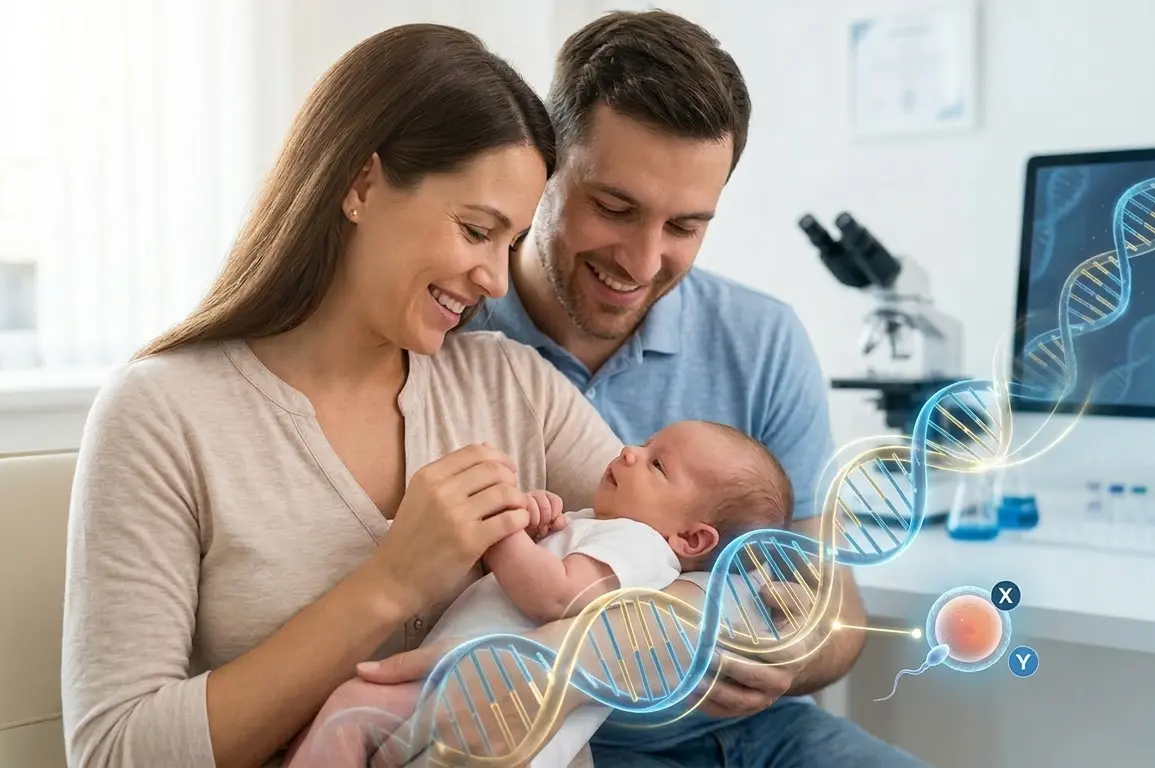
In recent years, oocyte vitrification—commonly referred to as egg freezing—has revolutionized fertility preservation. Thanks to advancements in cryobiology, women can now freeze their mature oocytes at peak fertility and use them later in life, either for personal or medical reasons. This technique also offers new possibilities for donor egg programs and IVF treatments.
Understanding Egg Freezing in Modern Reproductive Medicine
Oocyte vitrification is a method of rapidly freezing a woman’s eggs using cryoprotective solutions and ultra-rapid cooling. This prevents the formation of damaging ice crystals that can compromise cell integrity. Unlike traditional slow freezing, vitrification offers better post-thaw survival rates and higher chances of success during fertilization and embryo transfer.
Fertility naturally declines with age, particularly after the age of 35. Egg freezing allows women to preserve their reproductive potential during their most fertile years. It’s commonly used by women who are not ready to start a family due to career, personal circumstances, or medical treatments like chemotherapy.
How the Vitrification Process Works
The process begins with ovarian stimulation using hormonal medications to produce multiple mature eggs. These eggs are then retrieved in a short outpatient procedure under ultrasound guidance.
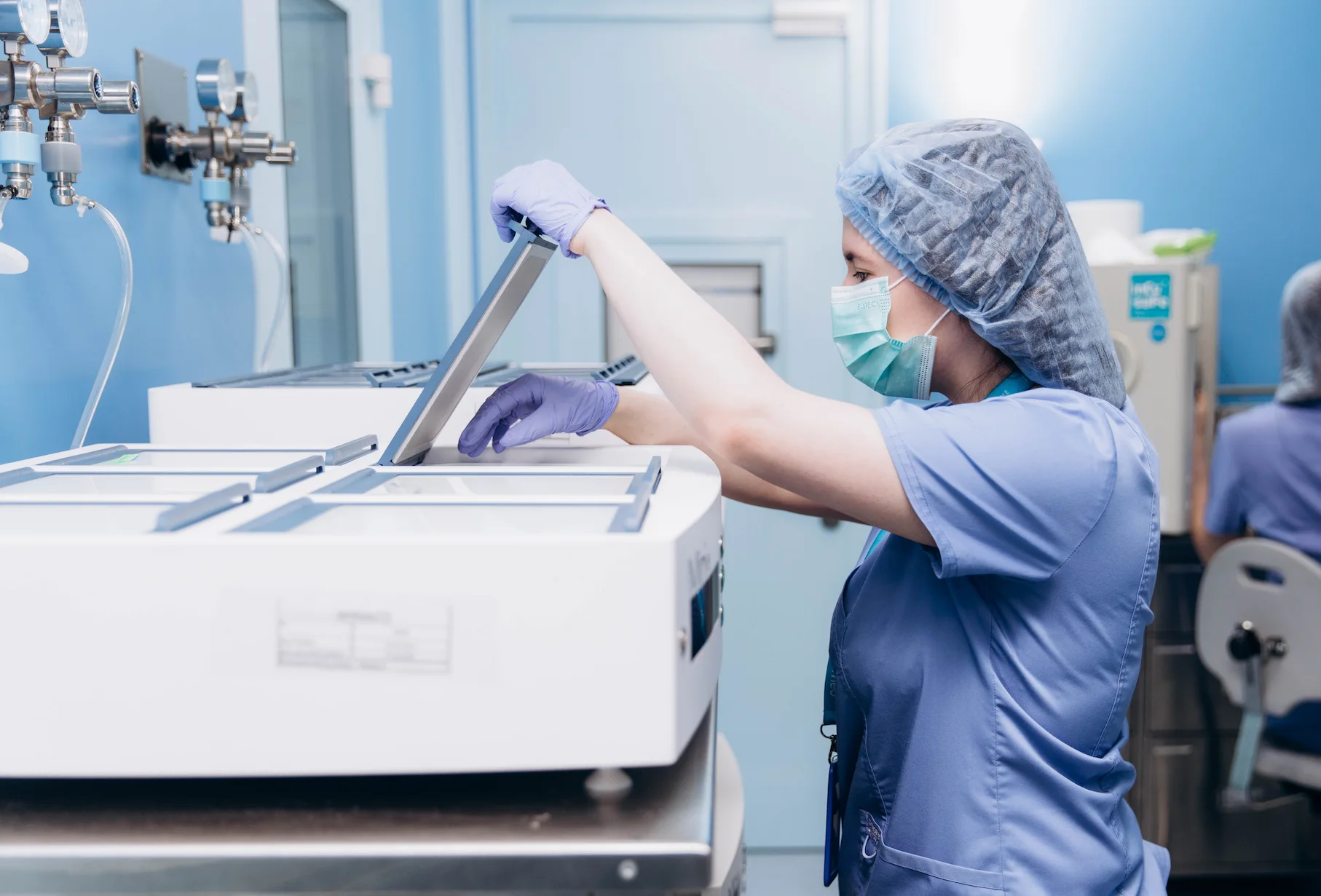
In the laboratory, mature oocytes are selected and exposed to cryoprotectants that protect the internal structures from freezing damage. The eggs are then cooled almost instantly in liquid nitrogen at –196°C, turning them into a glass-like state without ice crystal formation.
The entire process requires highly controlled lab conditions and precise timing, making modern cryobiology a crucial component of successful vitrification.
Thawing Vitrified Eggs: What Happens Next
When the patient is ready to use her frozen eggs, they are warmed using a carefully timed protocol that gradually removes cryoprotectants to avoid cellular damage.
Once thawed, the eggs are evaluated under a microscope. Viable eggs are fertilized using intracytoplasmic sperm injection (ICSI), a method where a single sperm is injected directly into the egg to increase fertilization success.
Who Should Consider Egg Freezing?
Egg vitrification is recommended for women who are facing fertility-threatening medical treatments, such as chemotherapy, radiation therapy, or ovarian surgery. It is also indicated for women diagnosed with endometriosis or premature ovarian insufficiency.
Additionally, many women choose elective egg freezing to delay motherhood for social reasons. The procedure provides more control over reproductive timing and offers reassurance about future fertility options.
The best candidates are generally women under the age of 35 with a good ovarian reserve. However, each case should be evaluated individually by a reproductive specialist.
Comparing Vitrification and Slow Freezing
Slow freezing, the traditional method, had limitations such as ice formation and lower survival rates. Vitrification replaced it as the gold standard due to its efficiency and higher success rates. Scientific evidence shows that vitrified oocytes have improved membrane integrity and reduced risk of chromosomal anomalies compared to slow-frozen eggs.
Effectiveness and Success Rates
The survival rate of vitrified eggs after warming is typically between 90% and 95%. Fertilization rates using ICSI are also high, leading to pregnancy outcomes comparable to those from fresh eggs—especially when the eggs were frozen at a younger age.
Age at the time of freezing remains the most important factor influencing the success rate. The younger the woman, the better the quality of her eggs and the higher the likelihood of achieving a live birth.
Table: Live Birth Rate per Cycle by Age at Egg Freezing
| Age at Freezing | Egg Survival Rate | Fertilization Rate | Live Birth Rate |
| < 30 | ~95% | ~80% | 50–55% |
| 30–34 | ~92% | ~75% | 40–50% |
| 35–37 | ~88% | ~70% | 30–40% |
| 38–40 | ~80% | ~60% | 20–30% |
From Frozen Egg to Pregnancy: The IVF Journey
After warming, viable oocytes undergo ICSI to promote fertilization. The resulting embryos are cultured in the lab before being transferred into the uterus in a standard IVF procedure.
Women who cannot use their own eggs due to age or medical conditions may choose donor oocytes. These are often vitrified and stored in professional egg banks for future use.
For example, IVMED OVO offers a secure and medically verified selection of donor oocytes, screened for genetic, medical, and psychological criteria.
Risks, Challenges, and Considerations
While egg freezing offers significant benefits, it’s not a guarantee of future pregnancy. Some eggs may not survive thawing, fertilize, or develop into viable embryos. Multiple stimulation cycles may be needed to collect a sufficient number of eggs for one or more IVF attempts.
Storage regulations vary by country. Some nations limit storage to 10 years, though exceptions exist for medical indications. Patients must also consider the financial cost, which includes the stimulation cycle, cryopreservation, annual storage, and the IVF procedure when eggs are used.
Summary and Final Thoughts
Oocyte vitrification offers a powerful option for fertility preservation with high survival and fertilization rates. It’s a safe and well-established technique suited for both medical and elective reasons.
If you’re considering delaying pregnancy or undergoing treatment that may impact fertility, egg freezing can help protect your future family-building options. Consulting with a fertility specialist can help determine if this method aligns with your goals.
FAQ: Egg Freezing and Thawing
Can I freeze my eggs at 40?
Yes, but the success rate is lower compared to younger ages. Freezing before age 35 offers better outcomes.
How long can frozen eggs be stored?
Technically, vitrified eggs can be stored for many years. Clinical guidelines often set a 10- to 15-year recommended storage period.
Is there a difference in outcome with donor eggs?
Yes. Donor eggs usually come from women under 30 and offer higher success rates than older autologous eggs.