Each year, more couples of reproductive age are facing difficulties conceiving naturally. Today, infertility affects approximately 20% of couples worldwide. This growing trend has drawn significant attention from the global medical and scientific communities to investigate all potential causes of infertility.
One of the first steps after an initial consultation with a reproductive specialist is undergoing diagnostic tests to identify the underlying cause of impaired fertility. One of these tests is karyotyping — the analysis of a patient’s chromosomes.
Let’s explore: What is karyotyping?
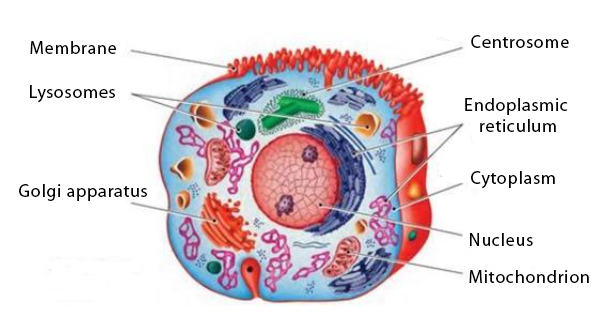
To understand karyotyping, we should start with the basics. Our bodies are composed of various tissues, which are in turn made up of cells. Most cells share a common structure: they consist of a cell membrane, cytoplasm (which contains numerous organelles necessary for cell function), and a nucleus. The nucleus is home to our DNA — the carrier of genetic information.
DNA is a molecule that stores and transmits each individual’s unique genetic code to the next generation. Half of a newborn’s DNA comes from the mother, and the other half from the father. When cells divide, they create two identical copies, allowing us to grow and develop while maintaining our genetic identity.
During the cell cycle, DNA tightly coils into distinct structures known as chromosomes. A typical human has 46 chromosomes — 22 pairs of autosomes and 2 sex chromosomes (XX for females, XY for males).
Karyotyping is the process of identifying the number and structure of a person’s chromosomes.
How is a karyotype test performed?
The safest and most convenient sample for karyotyping is blood, collected from a vein. No special preparation is needed. Blood contains lymphocytes (white blood cells), which play a crucial role in the immune system and are used for chromosome analysis.
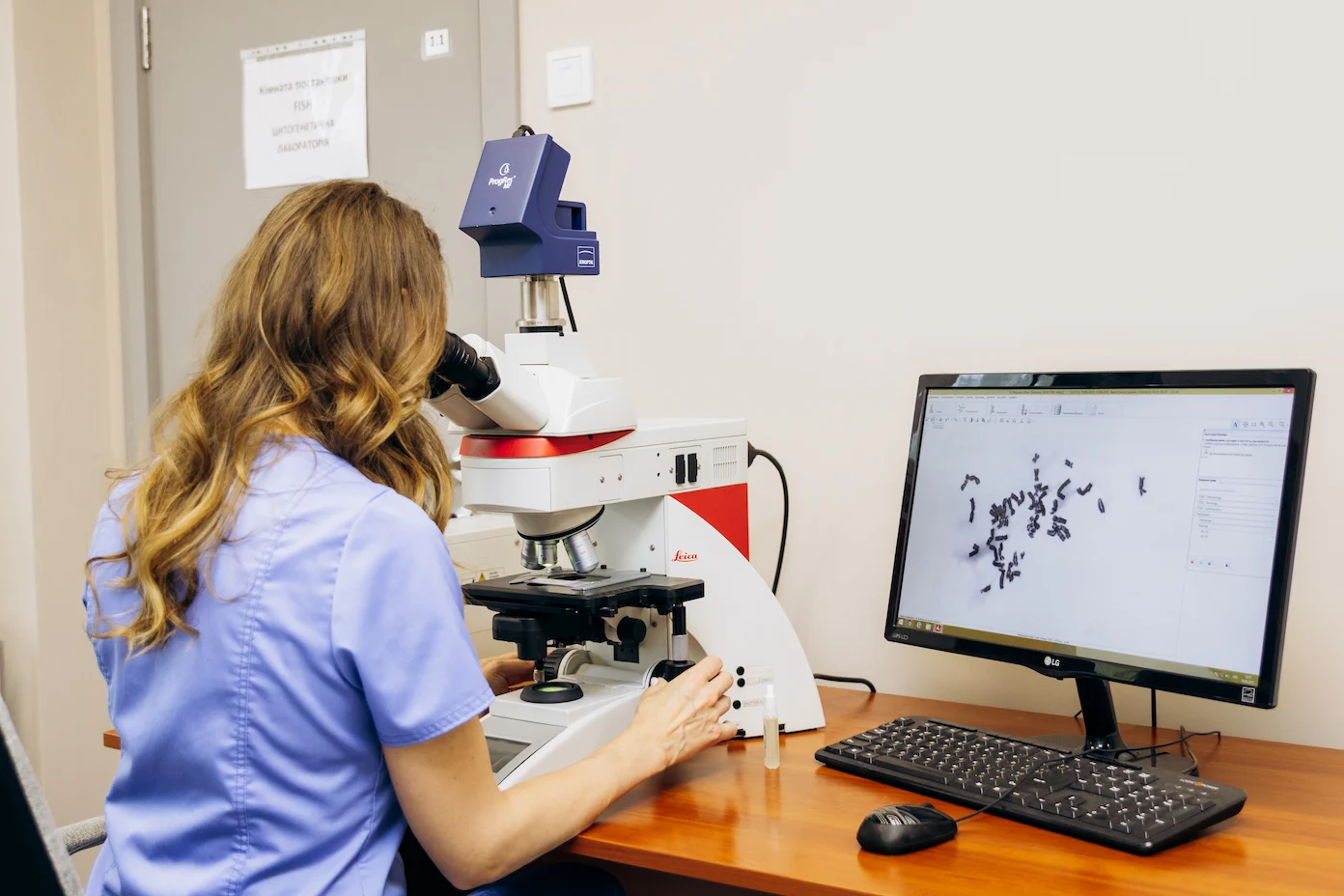
After collection, the blood sample is sent to a cytogenetic laboratory, where lymphocytes are cultured over 72 hours. The cells are then processed to produce slides containing metaphase chromosomes — a stage in cell division when chromosomes are most visible under a microscope.
Once a metaphase plate is captured under the microscope, the analysis begins.
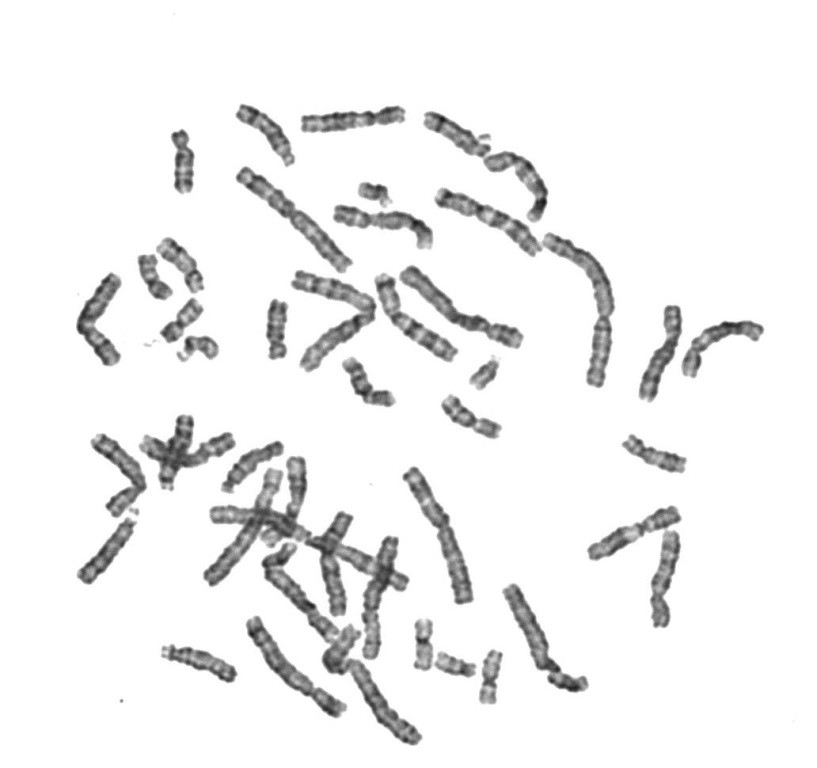
A qualified laboratory specialist identifies each chromosome and arranges them in a specific order to create a karyogram — a visual representation of the chromosomes where their number and structure can be assessed.
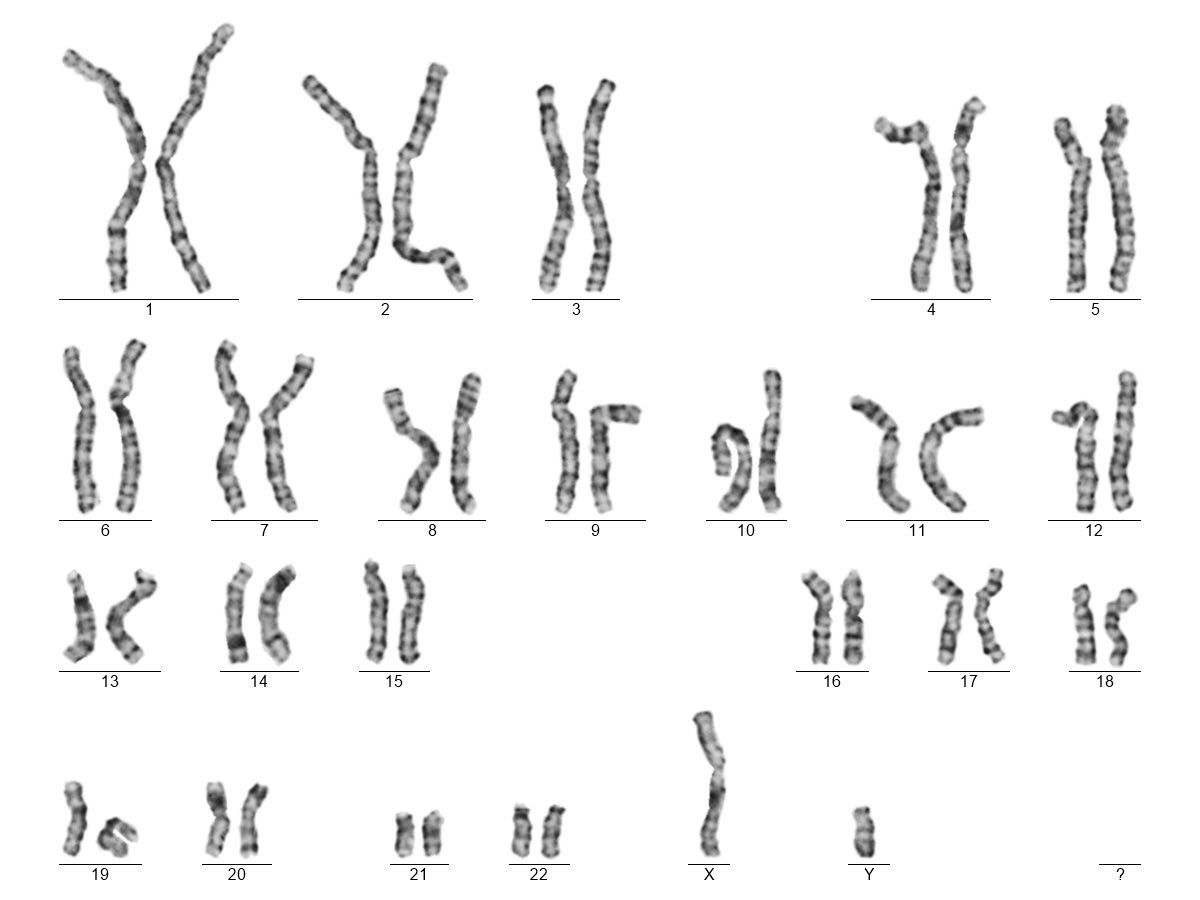
Human autosomes are numbered from 1 to 22 and appear in homologous pairs. Each chromosome has specific regions or bands that vary in staining intensity. These bands help identify structural differences between homologous chromosomes.
A normal female karyotype is designated as 46,XX, and a normal male karyotype as 46,XY.
What are chromosomal abnormalities?
Chromosomal abnormalities refer to alterations in the number or structure of chromosomes. These fall into two main categories:
- Numerical abnormalities
- Structural abnormalities
Numerical abnormalities
These involve either extra or missing chromosomes:
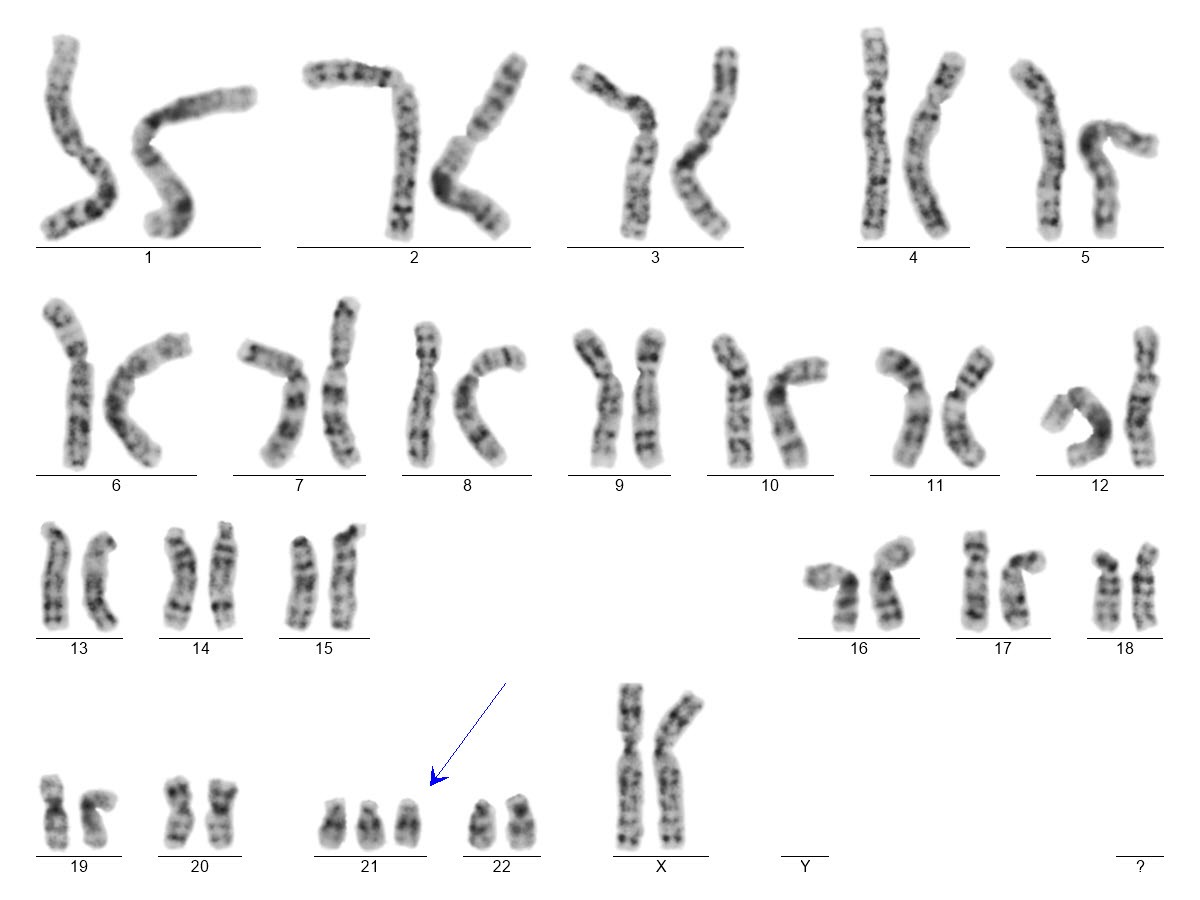
- Trisomy: presence of an additional chromosome (e.g., Down syndrome – trisomy 21)
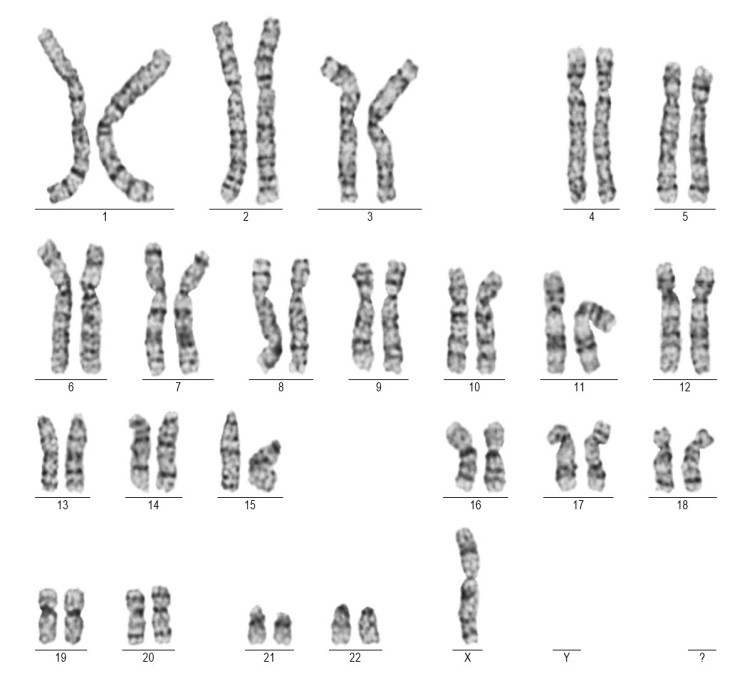
- Monosomy: absence of a chromosome (e.g., Turner syndrome – monosomy X)
Unfortunately, many chromosomal abnormalities result in severe congenital defects and may lead to miscarriage.
Structural abnormalities
Structural changes may involve one chromosome (intrachromosomal) or more than one (interchromosomal):
Intrachromosomal rearrangements, such as inversions, involve the reversal of a chromosome segment. The total number of chromosomes and genetic material remains unchanged.
Example:
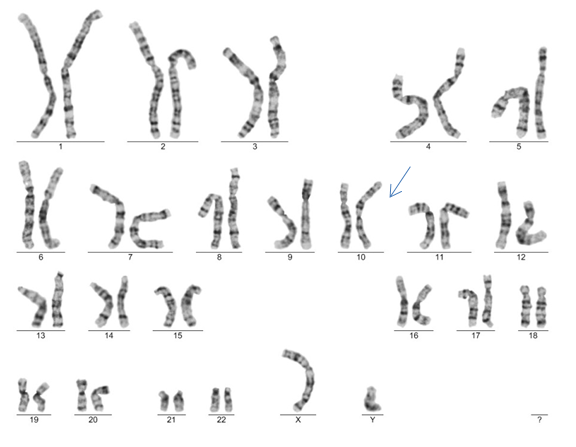
46,XY,inv(10) — a male with a pericentric inversion on chromosome 10.
- Interchromosomal rearrangements typically include translocations. These can be:
Robertsonian translocations: two chromosomes fuse together, reducing the total number of chromosomes but keeping the genetic content intact.
Example:
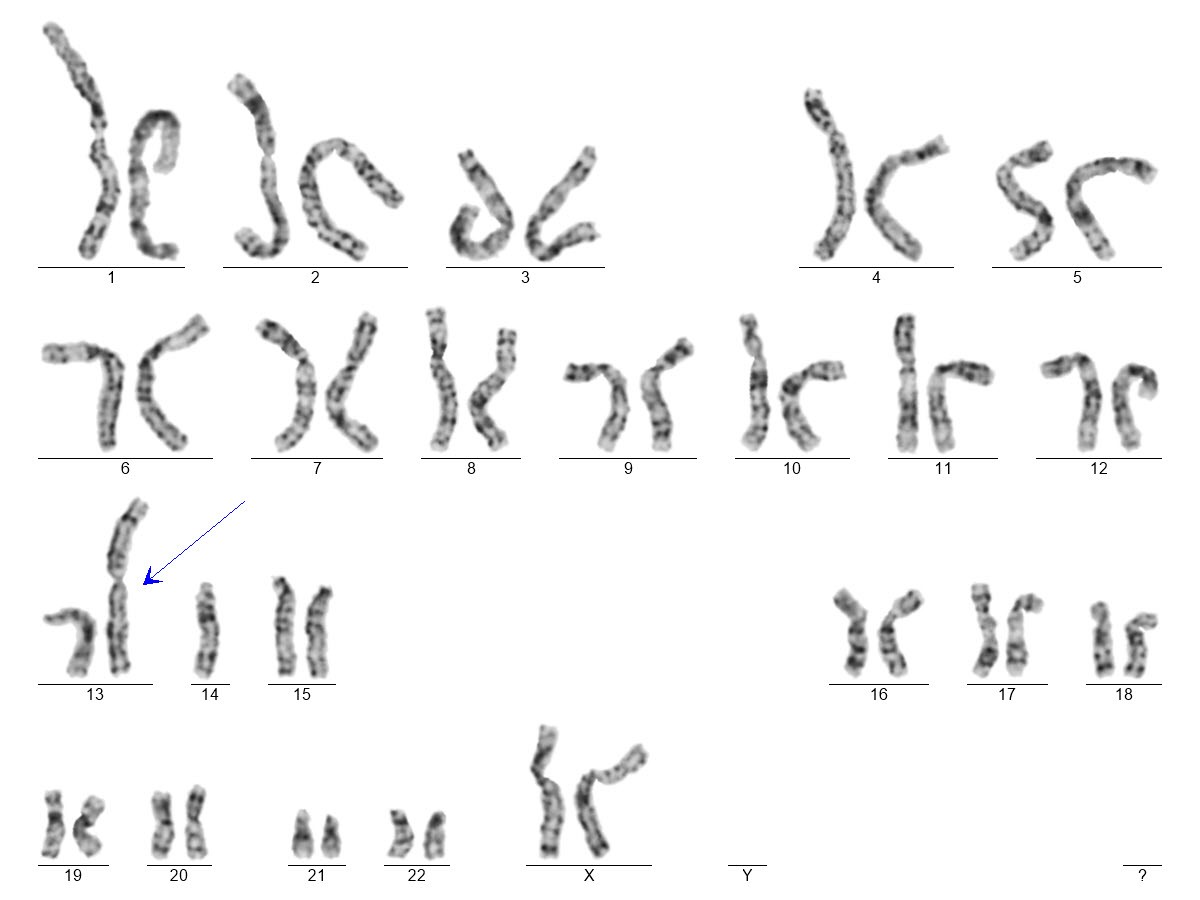
45,XX,der(13;14)(q10;q10)
Reciprocal translocations: two chromosomes exchange segments. Genetic content remains balanced, but fertility may be affected.
Example:
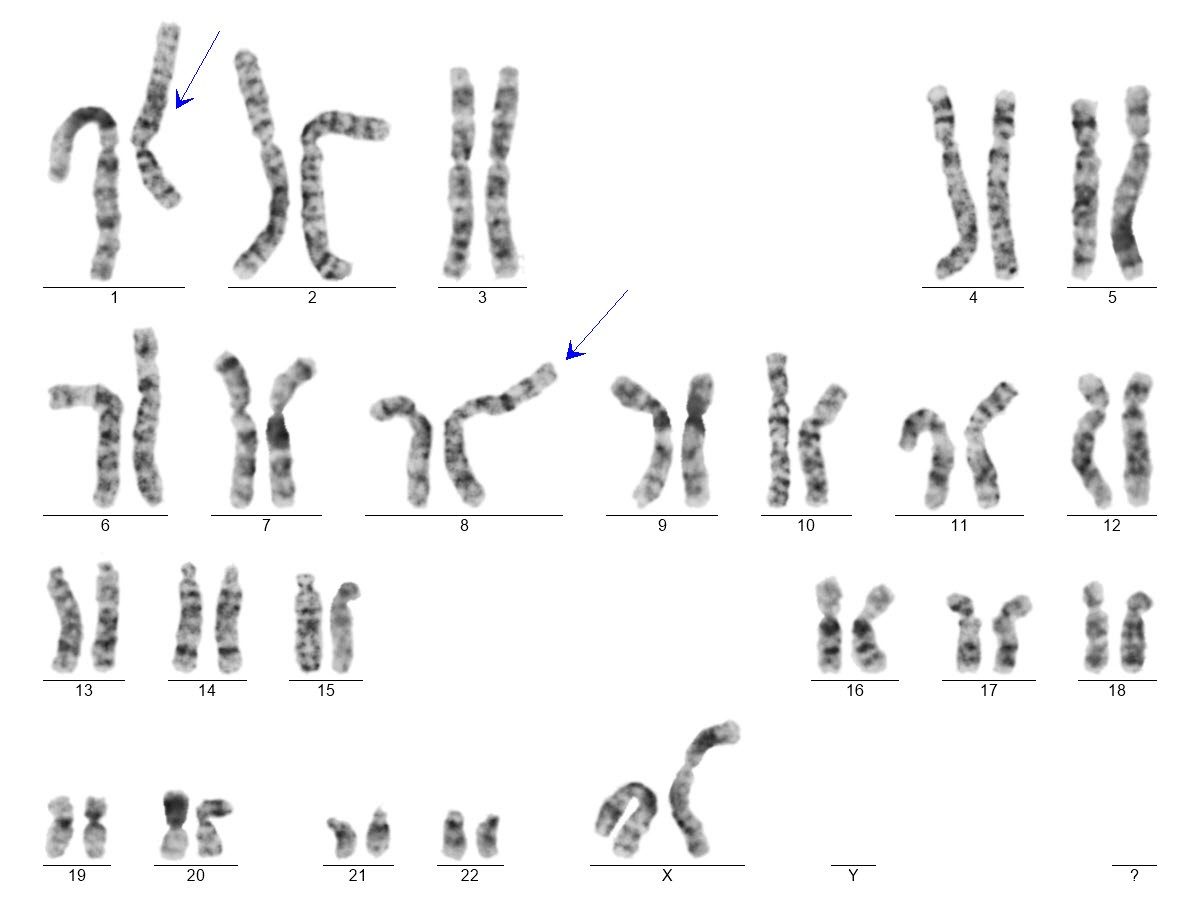
46,XX,t(4;15)(p16;q22)
How do chromosomal abnormalities affect fertility?
To form a healthy embryo, a sperm cell must fertilize an egg cell. Unlike regular body cells (which contain 46 chromosomes), reproductive cells — gametes — contain only 23 chromosomes, achieved through a special type of cell division called meiosis.
If a person carries chromosomal abnormalities (numerical or structural), their gametes may end up with unbalanced or incorrect chromosome sets. This can result in:
- Inability to conceive naturally
- Early pregnancy loss or repeated miscarriages
Therefore, karyotyping is an essential test for couples struggling with infertility or recurrent pregnancy loss.
A genetic passport for life
A person’s karyotype remains unchanged throughout their lifetime. That’s why karyotyping can be considered a “genetic passport”. It provides critical information that helps fertility specialists identify the causes of infertility and develop personalized treatment strategies.
Understanding your genetic makeup through a simple blood test can be a vital step toward parenthood.