DNA: the instruction manual for life
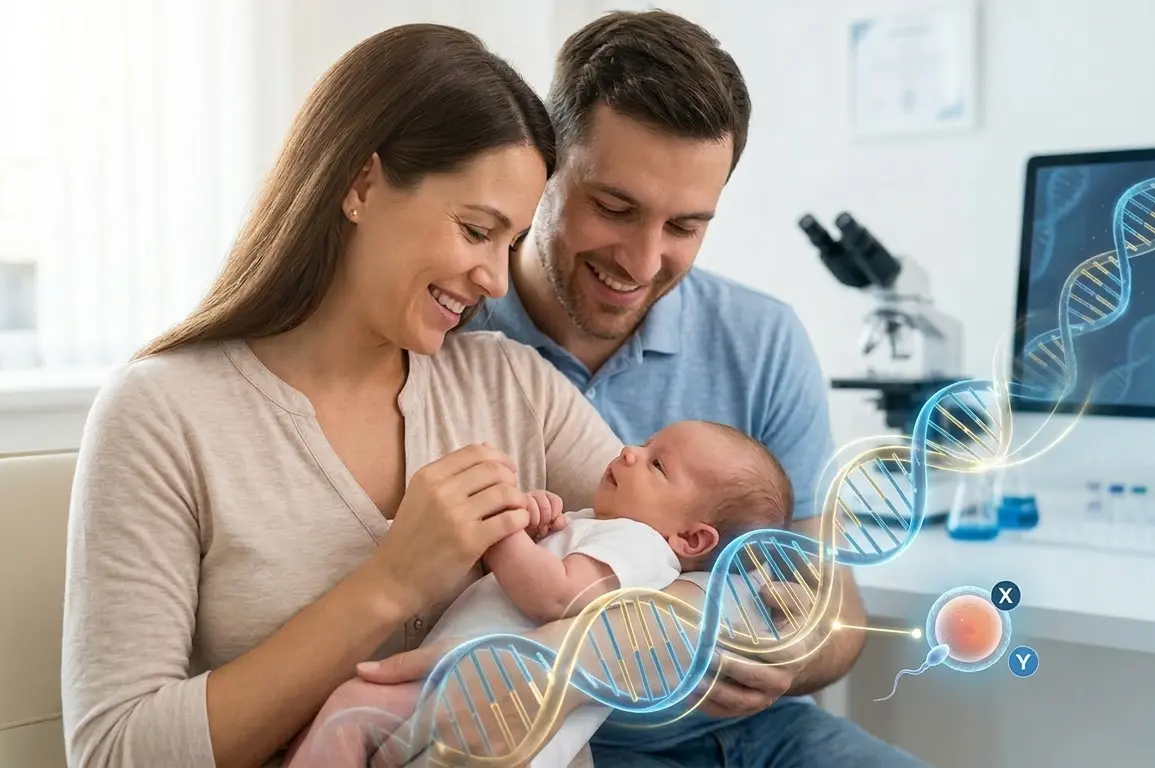
What exactly happens at the moment of fertilization? A donor egg carries 23 chromosomes – exactly half of the future child’s genetic set. The other half (another 23 chromosomes) is provided by the sperm (from a partner or a donor).
DNA (Deoxyribonucleic Acid) is a complex molecule that acts as a detailed instruction manual. It determines everything: from eye color and blood type to predispositions for certain health conditions. When you choose a donor, you are choosing one half of this biological “blueprint”
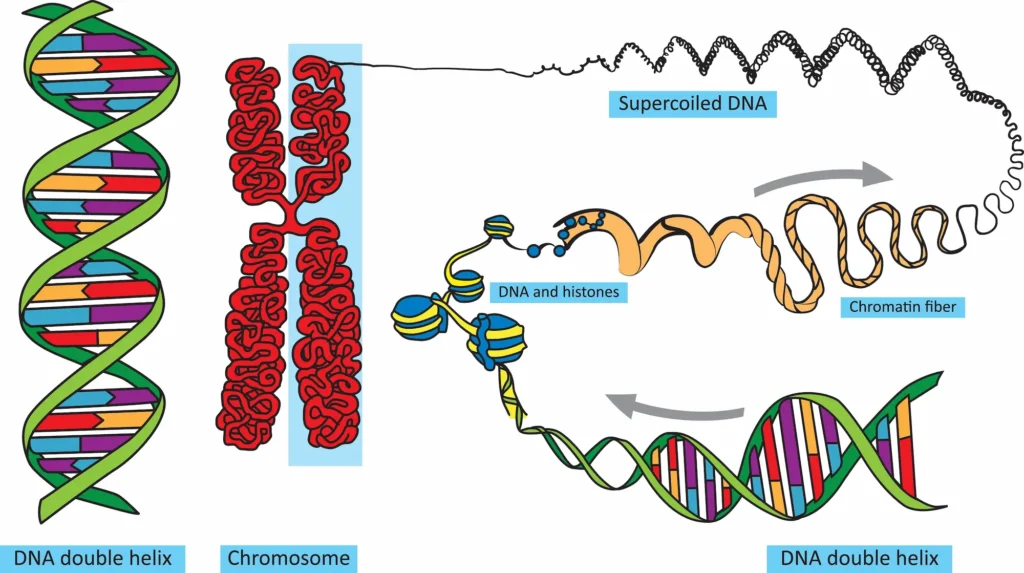
How is the genetic code transmitted?
Thousands of genes are embedded in every egg. During fusion with the sperm, a unique combination is formed:
- Heredity: the child will inherit traits from both the donor and the father.
- Safety: because we perform comprehensive genomic sequencing on our donors, we know in advance exactly which “instructions” are being passed on.
Why do we focus so much on genetics?
Natural conception is always, to some extent, a “genetic lottery.” However, an egg donation program allows this process to be as controlled and safe as possible.
- Minimizing risks: we screen donors for hundreds of hidden genetic diseases (such as cystic fibrosis, spinal muscular atrophy, etc.) that the donor herself may not even be aware of, being a healthy carrier.
- Oocyte quality: the genetic health of an egg directly affects whether implantation will occur and whether the pregnancy will proceed without complications.
Important to remember: using a donor egg does not make the child a “stranger.” You give this DNA life, your body ensures its development, and your love shapes the child’s personality. Genetics is merely the foundation upon which you will build a happy family.